

In recent years, a remarkable transformation has been taking place in urban areas around the globe, as urban areas commence to accept their surroundings. Amidst https://citynature.net/ and concrete, nature is taking back its place, creating vibrant ecosystems that support both animals and city residents. Ranging from lively metropolitan parks to tranquil city floral gardens, these green zones are not just splashes of green but crucial environments that encourage variety of life and enhance the standard of living in metropolitan living.
As more and more people seek respite from the chaos of city living, metropolitan regions are adapting with innovative projects like gardens on rooftops and city forests. These efforts not only offer essential oxygen and shade but also function as refuges for avian species and other creatures. Featuring paths for pedestrians and bird watching, urban wildlife spots are becoming increasingly popular, inviting residents to engage with the natural world in their own gardens. As cities turn into green habitats, they offer unique opportunities for getaways into nature that refresh the spirit and foster a community spirit.
City Natural Areas: An Overview to Urban Parks and Botanical Gardens
City parks serve as essential components for our cities, providing not only beauty but also crucial habitats for nature. These greenspaces are thoughtfully designed to create inviting areas where residents can connect with the outdoors. From expansive city parks to charming city botanical gardens, each space offers unique opportunities to enjoy flora and wildlife amidst the hustle and bustle of metropolitan existence. They act as refuges for city animals, allowing feathered friends, insects, and other creatures to thrive alongside people.
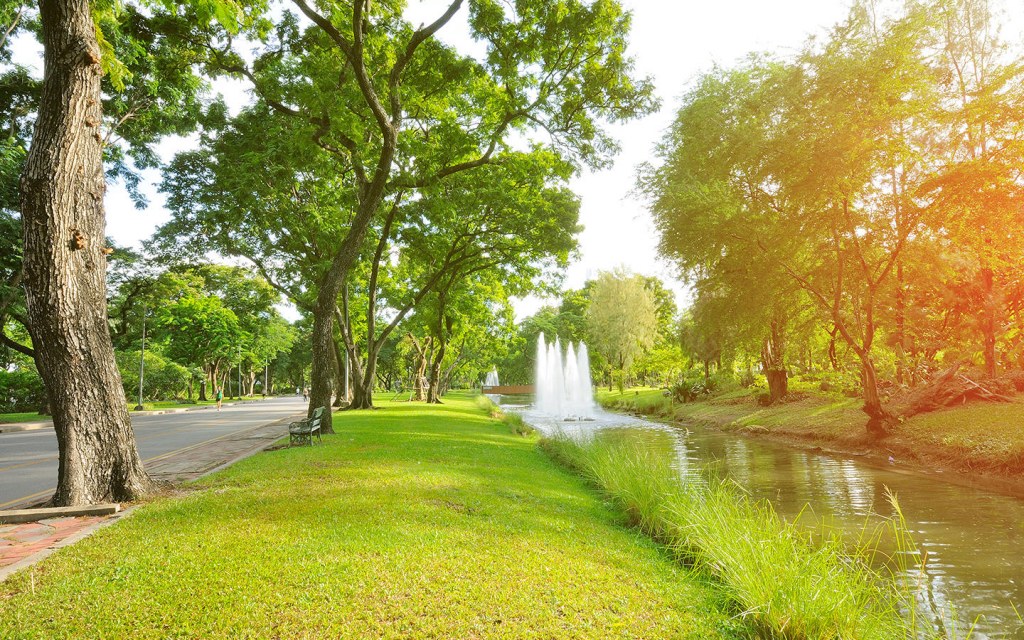
Urban parks and green spaces are often equipped with carefully kept trails that encourage discovery and movement. Whether you are embarking on a casual stroll or a fast jog, these park trails invite residents and visitors alike to engage with the nature. Wildlife observation areas within these green spaces provide great opportunities for watching and exploration. Over time, many municipalities have established programs to create habitats specifically aimed at drawing in varied wildlife, fostering an environment where wildlife and urban existence coexist in balance.
Sky gardens in city areas are another progressive way to integrate the environment into city life. These green rooftops not only serve as pleasing visuals but also help mitigate urban heat and enhance the quality of air. For those desiring a swift retreat, these rooftop greenspaces offer a calm oasis from the city environment below. With initiatives to grow metropolitan woodlands and create expanded natural reserves, cities are increasingly recognizing the significance of these green spaces. By investing in green infrastructure, city planners aim to promote ecosystem diversity while enhancing the well-being for residents.
Wildlife in the Urban Areas: Conservation Areas and Observation Spots
Cities are progressively becoming sanctuaries for city wildlife, thanks in part to the establishment of city nature reserves and viewing spots. These areas are often crafted to protect local biodiversity while offering residents the opportunity to engage with nature. Many urban areas now feature specialized urban wildlife spots that support everything from small mammals to a range of bird species. These reserves are crucial for fostering ecological resilience and promoting awareness about local wildlife.
City botanical gardens play a critical role in urban ecology, providing a diverse habitat for various species. They serve as both educational resources and natural sanctuaries, where visitors can appreciate the beauty of native plants while watching how they attract pollinators and other wildlife. Urban parks also play a significant role significantly by providing green spaces where animals can thrive. Well-maintained park trails facilitate easy exploration, making it easier for city dwellers to immerse themselves in nature and learn about their local environment.
Rooftop gardens and urban forests enhance even more the wildlife corridor within cities. These creative spaces not only mitigate the urban heat island effect but also provide critical habitats for birds and insects. City bird watching has gained popularity as enthusiasts seek out unique avian populations that flourish in urban settings. By creating inviting environments for both wildlife and people, cities are evolving into vibrant, living ecosystems that connect residents with the natural world around them.
Innovative Nature Incorporation: Rooftop Green Roofs and City Forests
Terrace green roofs are changing the urban landscape, converting neglected spaces into vibrant habitats that promote biodiversity. These elevated green areas provide a unique chance for city dwellers to engage with the natural world amidst man-made environments. By including local plants, these gardens not only enhance the visual look of the city but also establish vital habitats for bees and other urban wildlife. The cultivation of green spaces contributes to urban cooling, helps manage rainwater, and enhances air quality, making them essential in the battle against urban sprawl.
Urban forests are becoming integral components of urban life, offering calm retreats from the bustle and bustle. These green areas simulate natural environments, serving as refuges for numerous species of birds, bugs, and small mammals. By planting trees and encouraging vegetation in city districts, local governments and communities are taking steps to enhance environmental health and provide citizens with recreational opportunities. Strolling through city forests can refresh the spirit while fostering a deeper appreciation for the resilience of nature in crowded areas.
Together, green gardens and urban forests illustrate the increasing trend of incorporating nature into the urban structure. By prioritizing green spaces, cities are not only improving the standard of life for residents but are also establishing vital connections between urban settings and the natural world. As these initiatives continue to build momentum, they pave the way for better cities, promoting community involvement and promoting ecological stewardship. Welcoming nature within urban settings is a reflection to the resilience of both our urban areas and the natural ecosystems that thrive within them.